Long Stay in a Hotel or Serviced Apartment: Which Services Really Matter for 28 to 179 Nights
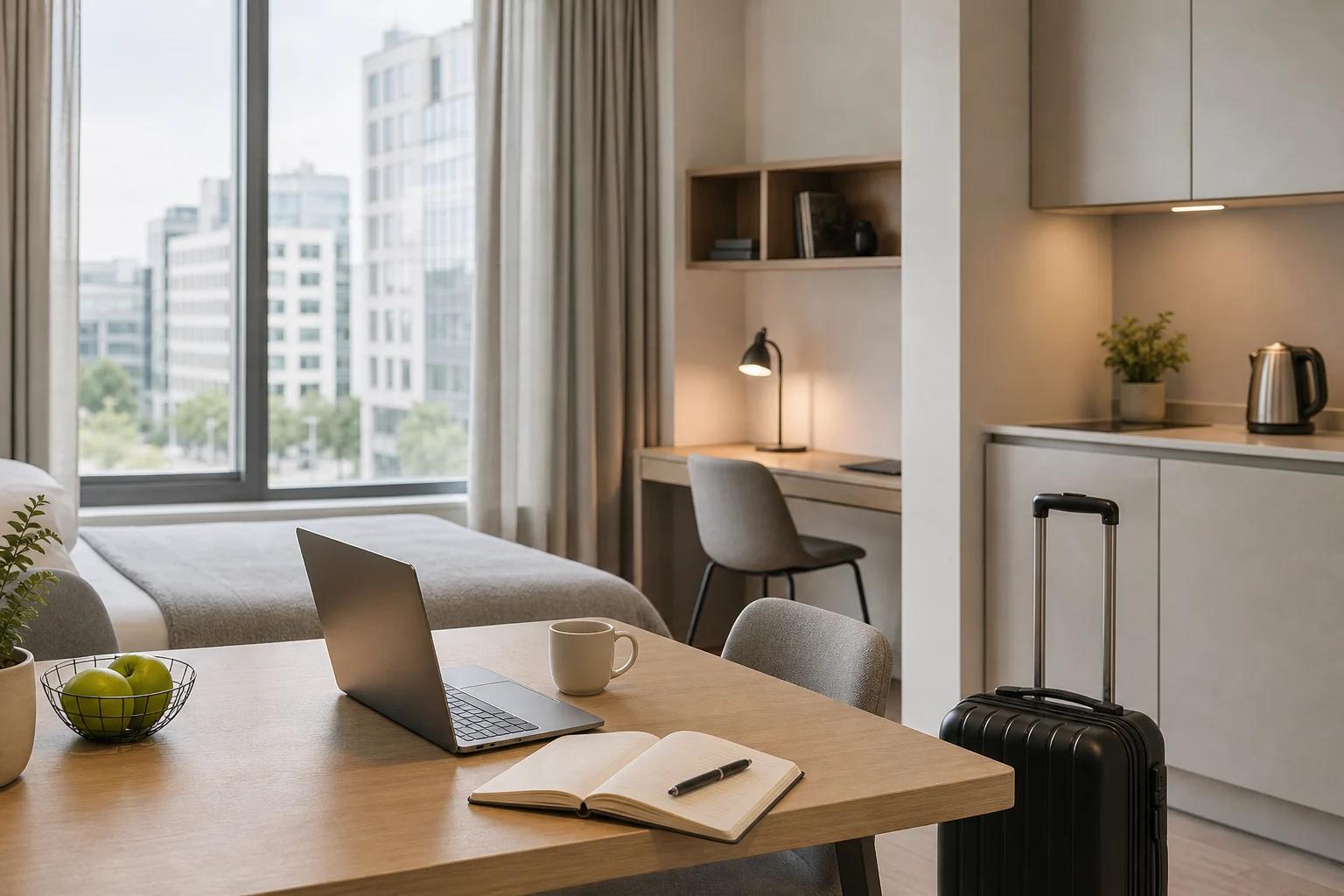
Exactly in a long stay in a hotel or serviced apartment: which services really matter for 28 to 179 nights does the decision shift from the room itself to everyday use. Anyone staying for several weeks or months should not first ask about the style of the accommodation, but about the processes that repeat every day: cooking, working, doing laundry, arriving, extending, and budgeting.
The most sensible comparison therefore starts with a simple counter-question: What does the accommodation have to deliver in everyday life? The clearer this answer is, the easier it becomes to tell whether a serviced hotel, a serviced apartment, or another furnished accommodation better suits the planned period.
Which question should be clarified first?
Before comparing individual services, it is worth looking at the usage situation. Is someone mainly staying there to sleep, or is the accommodation also used as a place to work and live? That determines which services really matter.
A hotel with service can be a good fit if the daily routine should stay as simple as possible and services such as reception, structured check-in, or regular cleaning are important. A serviced apartment is often the more obvious comparison if independent living with cooking, more storage space, and a clear work or living area is needed. What matters is not the label, but whether the offer supports the actual daily routine.
Kitchen or kitchenette: When is a room enough, and when is more needed?
The kitchen is one of the clearest differences in the serviced apartment comparison. For a longer stay, it is not only relevant whether a cooking option exists, but how usable it is.
Practical questions to check include, for example:
- Is there only basic equipment, or a real way to prepare simple meals regularly?
- Are there a fridge, cooking facilities, and storage surfaces?
- Can groceries be stored properly?
- Is there enough crockery and equipment so that you do not have to improvise for every meal?
For someone with fixed working hours, even a simple kitchenette may be enough. By contrast, anyone moving between external appointments, online meetings, and long working days will benefit more from accommodation where meals do not have to be arranged externally every day. This applies especially when the stay is planned in a way similar to hotel long stay rental, and the daily rhythm does not always stay the same.
Cleaning rhythm and laundry: How much service is really helpful?
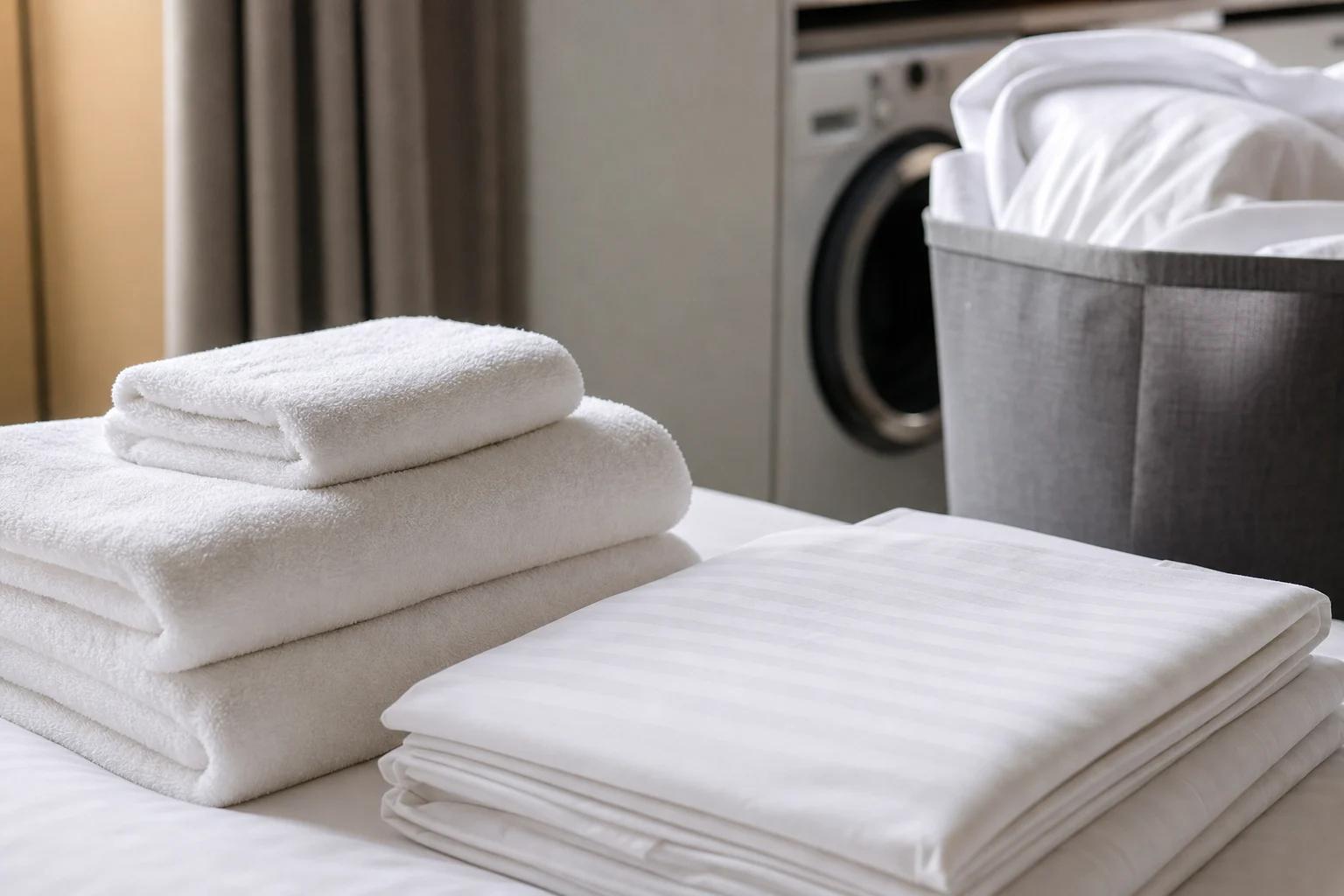
For longer stays, cleaning is not just a comfort question, but a question of routine. Too much service can interrupt the day, while too little service shifts extra tasks to the guest. That is why the cleaning rhythm should be clarified before booking, along with whether it matches your own daily routine.
More important than a general “with cleaning” are specific points:
- How often does regular cleaning take place?
- Are bed linen or towel changes included?
- Are there laundry options on site or nearby?
- Can additional services be booked as needed?
A clearly described model is especially helpful for hotel service long stay. Anyone away during the day often appreciates predictable cleaning times. By contrast, someone working in the room needs a process that does not create recurring interruptions. For companies, it is also important how clearly documented it is which services are included during the period and which must be arranged later.
Internet and workspace: What does mobile working really need?
In many long-stay situations, it is not just about sleeping, but also about work. In that case, the statement “Wi-Fi available” is not enough. For a reliable comparison, three questions matter: Is the connection stable enough? Is the workspace usable? And can you concentrate there?
A good workspace usually consists of more than a table. Helpful features include, for example:
- a seating option suitable for longer work periods,
- sufficient lighting,
- power outlets within reach,
- a quiet area for phone calls or video calls.
For business travelers, project staff, or students, this point is often decisive. A long stay hotel room can be sufficient for this if the setup is right. However, if several hours a day are regularly spent working, it is worth looking closely at whether the room is designed more as a place to sleep or as a work environment.
Location and routes: Which distance really matters in a long stay?
For a longer booking, the importance of the location changes. It is not the tourist address that matters, but the question of which routes add up every day. A location is practical when it suits work, shopping, public transport, and the important places of everyday life.
Priorities shift for different target groups:
- Business travelers often pay attention to the route to the project or company location.
- Students need short connections to the university or libraries.
- People in transitional situations benefit when supermarkets, public transport, and important appointments are reachable without much effort.
A relatively simple accommodation can bring more value in a good location than a larger offer with inconvenient routes. That is why location should always be assessed together with the planned daily routine, not in isolation.
Which costs change the overall effort over weeks and months?
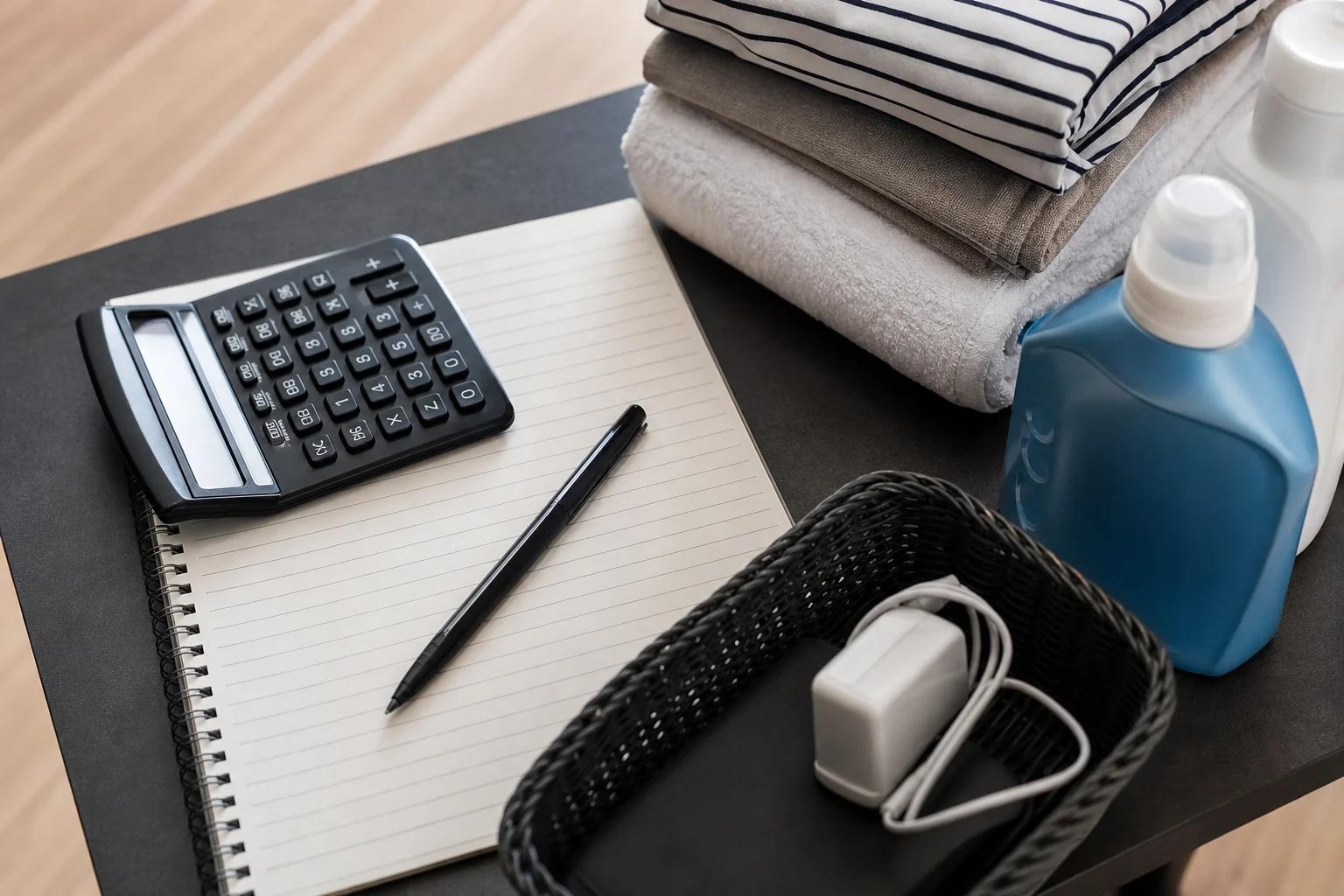
In a long stay, the visible nightly rate is rarely the only factor that counts. A more meaningful question is which services are included in the overall package and which must be arranged or paid for separately.
These points are especially relevant for comparison:
- cleaning and possible additional cleaning,
- internet access,
- laundry or washing facilities,
- parking,
- additional services that can only be booked if needed.
This creates a realistic view of the overall effort during the planned stay. Anyone comparing several offers should therefore not look only at the first impression or the room price, but should check which services are actually used in everyday life.
How myroom24 helps with the selection in concrete terms
myroom24 is an online booking platform where commercial accommodation providers offer accommodation for private and business users. The range includes rooms, apartments, and houses in commercial accommodation properties such as hotels, hostels, serviced apartments, and holiday apartments.
For this topic, the most important point is: the long stays offered via myroom24 cover 28 to 179 nights. Users can specify their destination and length of stay and filter available long-stay accommodations by criteria such as price, location, and equipment. This allows a more structured long-stay comparison instead of comparing only individual room images.
If you want to stay flexible, you can also look for accommodations marked as instant booking. These can be booked without prior approval from the host if available. This is especially useful when the need becomes concrete at short notice and the right accommodation should be narrowed down quickly.
Which processes should be clarified before booking?
Especially for a longer stay, booking is only the first step. It is important to know how the accommodation handles arrival, communication, and possible extension. Anyone who does not yet know exactly when a project will end or how the stay will develop should ask these points in advance:
- How exactly does check-in work?
- Who is the contact person for questions?
- Is an extension generally possible?
- Will the same unit remain available if the stay is extended?
- By when should an extension be requested?
These questions help avoid later coordination issues. Especially for B2B bookings or project stays, a clear process is valuable because deadlines and length of stay can change.
Conclusion: Which accommodation fits depends on everyday life
For 28 to 179 nights, what matters above all are the services that simplify recurring tasks: cooking options, cleaning, stable internet, a usable workspace, good daily routes, and transparent costs. Only when these points are clear does it make sense to compare hotels, serviced apartments, and other long-stay options.
If you want to check suitable options for your period of stay, start here: myroom24 accommodation.
Frequently asked questions
How do I tell whether an offer is enough for project work during a long stay?
Check the internet, workspace, quiet in the room, and the check-in process. If you work there for several hours a day, seating, lighting, and power outlets should be considered too.
Which kitchen features matter more than the simple note “with kitchen”?
What matters are cooking facilities, a fridge, storage space, and enough crockery. Only then can you really cater for yourself in everyday life.
What should I clarify if my end date is still open?
Ask in advance about extension rules, contact persons, and deadlines. It is also important to know whether the same unit can continue to be used if the stay is extended.
How do I compare long-stay offers when cleaning and laundry are handled differently?
Compare the included services over the full stay, not just the nightly rate. The key items are cleaning, laundry, internet, and parking.