Temporary Housing in Bad Lippspringe for Clinic-Adjacent Stays: Calm, Routes, Everyday Life
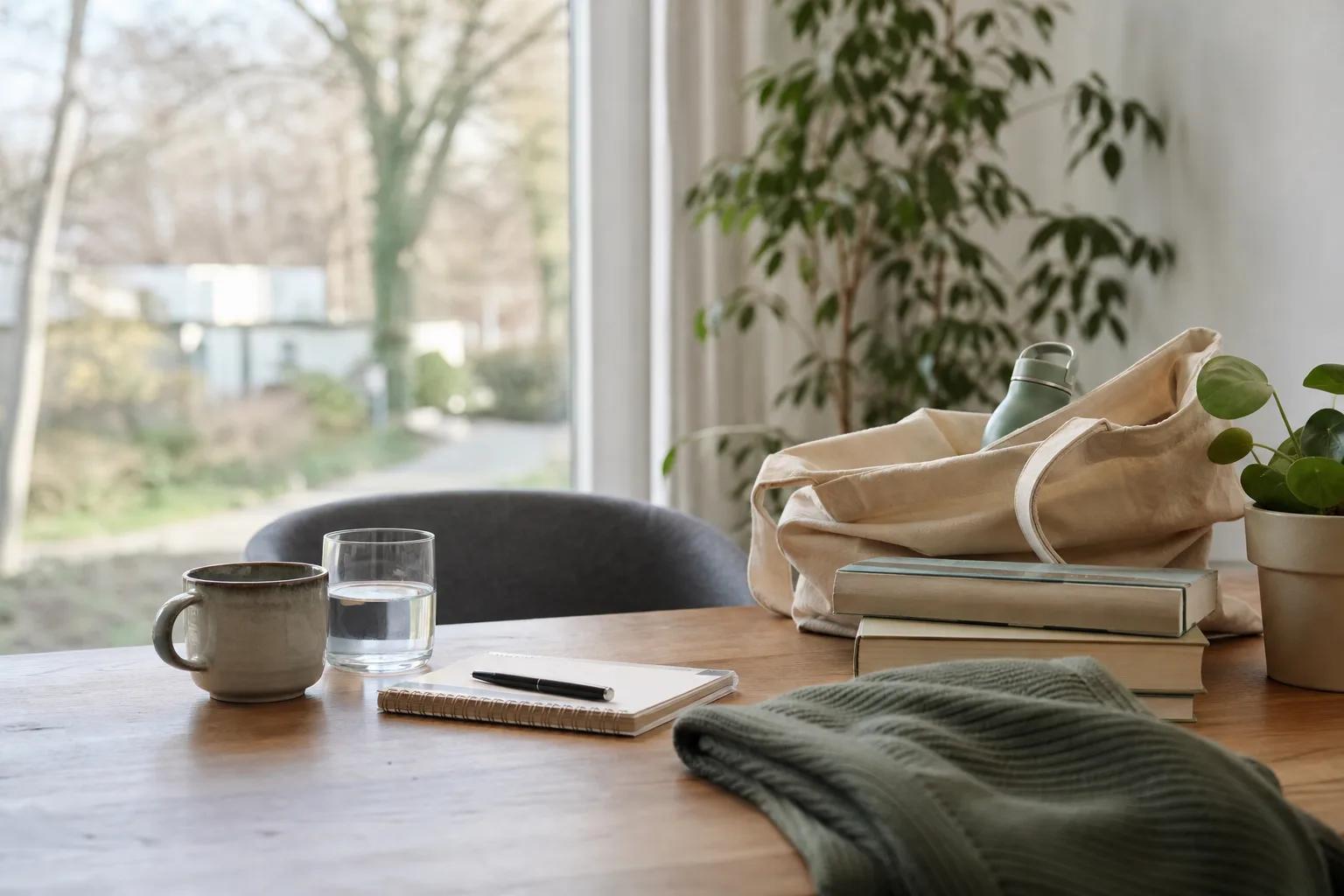
Which accommodation really suits a clinic-adjacent stay?
Anyone coming to Bad Lippspringe for an appointment or treatment period often plans differently than on a normal trip. It is less about leisure and more about making the daily routine dependable: arrive, rest, attend appointments, eat in between, and start again the next day. For temporary housing in Bad Lippspringe for clinic-adjacent stays, a sober look at the concrete need is therefore especially helpful.
The most important question is not whether an accommodation looks modern, but whether it supports the rhythm of the stay. This mainly concerns three points: How much retreat do I need? How often do I have to move between the accommodation and the clinic? And how independently do I want or need to manage my daily life?
Hotel, serviced apartment, or apartment: What fits when?
A hotel can be just as suitable for a longer clinic-adjacent stay as a serviced apartment, an apartment hotel, or a holiday apartment. What matters is not the label, but the combination of amenities, services, location, and transparent total costs.
A hotel is particularly interesting when fixed routines, quick coordination, and clearly regulated services are more important than maximum independence. A serviced apartment or apartment hotel can make sense if you need more independence in everyday life, but still do not want to do without a professional structure. An apartment or holiday apartment can fit if you want to organize the stay more on your own and the kitchen option plays a major role.
Important here: Do not compare only the visible room rate. For longer stays, what counts is what suits your routine in the end — for example location, kitchen access, quiet, and whether you want to plan additional daily trips for meals or organization.
How do you check for quiet without being on site?
Quiet does not start only at night. You can already tell during the day whether you can rest in a focused way, whether the access areas in the building feel hectic, and whether you can truly withdraw after appointments. This is especially important during stressful phases, because a noisy place to sleep can quickly create additional exhaustion.
Before booking, it helps to pay attention to details that say a lot about the actual level of quiet:
- Is the room more on the quiet side of the building or in a heavily used area?
- Are there indications of shared areas with a lot of foot traffic?
- Is the accommodation designed more for short changes or for longer stays?
- Are there ways to withdraw away from visitor or traffic movement?
Not every quiet accommodation is structured the same way. For some guests, a secluded room is important; for others, an overall orderly building structure without constant changes matters more. Anyone who prioritizes clearly here saves many small compromises later.
Which amenities actually ease everyday life?

For several days or weeks, it is rarely enough if an accommodation is merely "furnished." What matters is whether you can actually live there without having to organize every small step anew. A kitchen, or at least a cooking option, is especially relevant when meals should stay flexible or when not every meal can be planned outside the accommodation after appointments.
A sensible seating area, a table or storage surface, and enough space for personal items are equally helpful. Especially during clinic-adjacent stays, documents, medication, chargers, clothing, and luggage often accumulate and should not remain permanently in the suitcase. If you are on site as an accompanying person or professional, a clear separation between sleeping, eating, and working also becomes more important.
So check not only whether something is available, but how it works in everyday life:
- Can I eat quietly there and sort documents?
- Is there a cooking option that suits my pace?
- Do I have enough space to store luggage and personal items in an orderly way?
- Does the room feel like a place where I can truly recover after appointments?
How do you plan routes, arrival, and departure sensibly?
For clinic-adjacent stays, the location is not only a question of distance, but of reliability. A route that looks short on the map can still be impractical in everyday life if you have to take it several times a day, are traveling in bad weather, or arrive with luggage.
It is therefore worth looking at the entire chain of movement: from arrival through the first appointment to departure after the last appointment. Anyone arriving by public transport should know how well the connection fits the planned time of day. Anyone coming by car should clarify in advance whether parking is straightforward. And anyone returning after a long treatment day needs accommodation that remains reachable without complicated detours.
The return route also matters: after appointments, people are often more tired than in the morning. Then it makes a difference whether the route to the accommodation is clear, short, and repeatable, or whether you have to improvise every time.
Which organizational points should you clarify in advance?
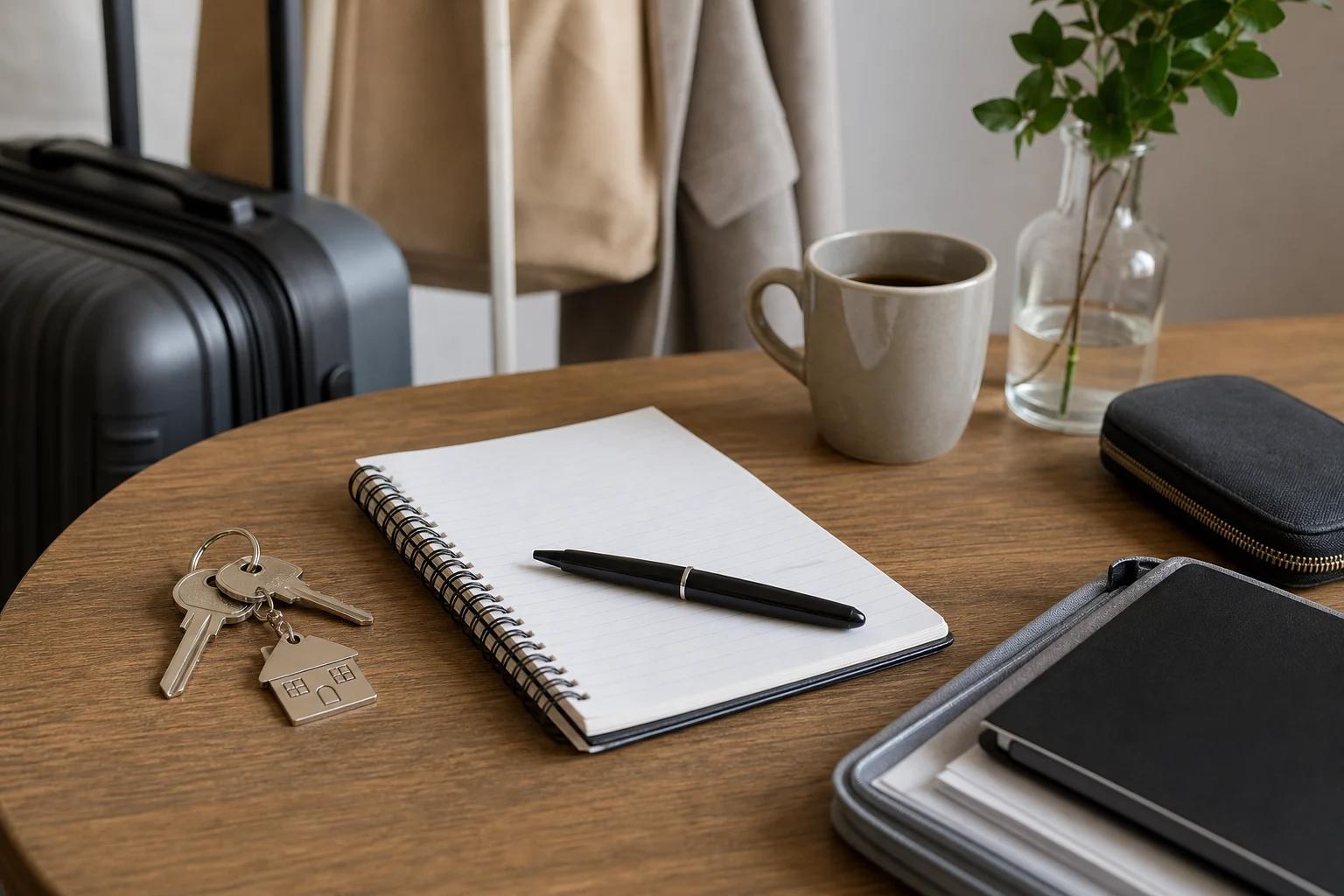
Especially during demanding stays, many small stress points arise not in the room itself, but in the organization. It is therefore sensible to clarify a few practical questions before booking and before arrival:
- When is arrival realistic if the appointment takes longer than planned?
- How does the key handover or access to the building work?
- Who is the contact person if arrival is delayed?
- Is there a sensible cleaning rhythm for longer stays?
- How are luggage, documents, or work materials handled on site?
This clarification is especially important for companions if waiting times, flexible daily schedules, or changing appointments are involved. Professionals often pay more attention to early departures, late returns, or a quiet base between two assignments. In both cases, the rule is: the clearer the arrangement in advance, the less has to be solved spontaneously on site.
How myroom24 helps in the search for accommodation
myroom24 is an online booking platform on which commercial accommodation providers offer accommodation for private and business users. For clinic-adjacent stays, the particularly useful part is that you can enter the travel destination and length of stay and filter available long-stay accommodation according to criteria such as price, location, and amenities.
The long-stay accommodations offered via myroom24 cover 28 to 179 nights. This is helpful if you are not looking for just a short overnight stay, but are planning a clearly defined period of stay. The offer includes rooms, apartments, and houses in commercial accommodation facilities such as hotels, hostels, serviced apartments, and holiday apartments.
If an accommodation is marked as instant booking, it can be booked without prior approval from the host if available. This can make organization easier if the period is already fixed and you do not want to wait for manual approval as well.
How to continue your search now
Before you search, write down 3 fixed points: what the accommodation must offer in terms of quiet, how often the routes to the clinic are needed, and which amenities you need for everyday life. After that, you can compare the options more specifically and only check the offers that really suit your routine.
If you want to continue directly, start here with the suitable myroom24 accommodation.
Frequently asked questions
Is a hotel generally suitable for a longer clinic-adjacent stay?
Yes, if the location, quiet, services, and routines fit your daily rhythm. A hotel can be just as suitable as a serviced apartment or a holiday apartment.
How do I check whether the route to the clinic is really practical in everyday life?
Do not look only at the distance, but at the actual routine: outward trip, return trip, weather, luggage, early appointments, and whether you can manage the route well several times a day.
What information should I give the accommodation before arrival?
Important points are arrival time, possible delays, mode of arrival, preferred handover, and a contact method for questions. This helps avoid misunderstandings on moving-in day.
What is especially important for companions during a longer stay?
A quiet place to retreat, predictable routes, an easy way to organize meals, and enough order for documents or luggage are usually the most important points.