Temporary Housing for Shift Work and Night Shifts: Live Quietly Despite Changing Work Hours

Why does shift work place different demands on accommodation?
Shift work fundamentally changes the daily routine. Anyone working at night, starting early in the morning, or switching between early, late, and night shifts needs accommodation not just as a place to live, but as a reliable retreat at unusual times. That is exactly where it differs from classic office jobs with fixed daily schedules: while there peace is often only important in the evening or at night, shift work also requires it to work during the day.
For selection, this means that accommodation may look good in photos and still be unsuitable in everyday life if sleep is interrupted by light, noise, or constant movement within the building. Anyone working in production, logistics, or technical roles should therefore pay less attention to general living atmosphere and more to the concrete conditions around sleep, travel, and supply in shift systems.
Which location makes sense for night shifts and early shifts?
For shift work, the right location is not just a question of the address, but of the daily strain. After a night shift, every extra detour often counts. Before an early shift, on the other hand, it is important that the route is predictable and reliable even at unusual times.
Three questions help with the assessment:
- How close is the accommodation to the place of work? Short distances are especially relevant when shifts start early or end late.
- How busy is the surrounding area? Accommodation on heavily trafficked streets, near restaurants, or along busy transport routes can be unfavorable during rest periods.
- What happens around the building? Hallways, deliveries, waste collection, or a heavily used entrance area can also be disruptive during the day when sleeping is needed.
For mobile professionals in particular, location is often part of a temporary solution. In that case, a quieter environment can be more important than a particularly prestigious location, because it makes sleep possible between two shifts in the first place.
How can you tell whether accommodation is really quiet enough during the day?
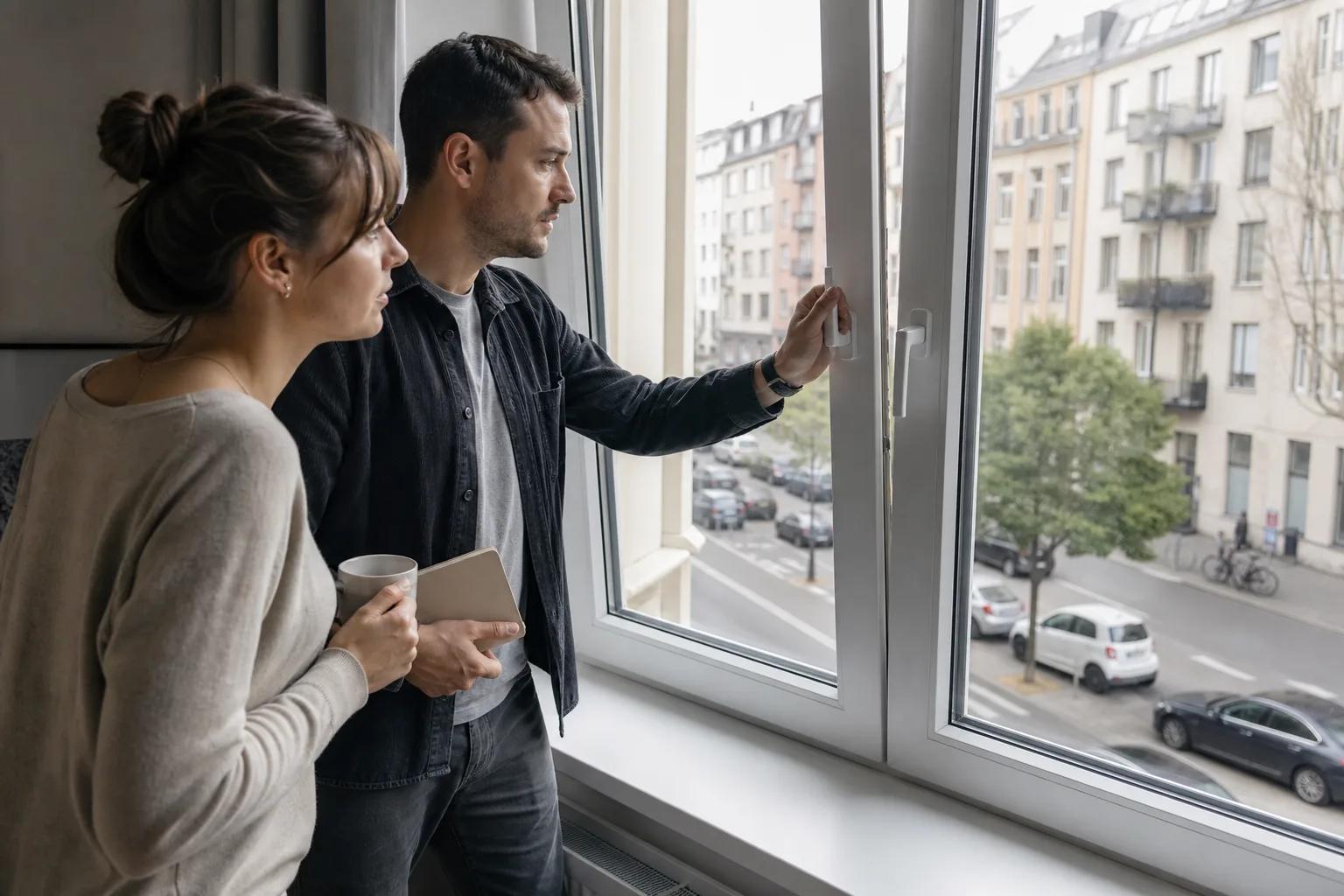
“Quiet” is not a general quality feature; it has to match your own sleep times. Anyone who wants to sleep after a night shift needs peace exactly when everyday life is happening outside. It is therefore worth looking specifically for points during booking that affect shift work life.
Pay particular attention to:
- Room location: Is the room facing the street, the inner courtyard, or a secluded part of the building?
- Building use: Are there many guest changes, common areas, or frequent movement in the corridors?
- Windows and sound insulation: How well can outside noise be blocked out when sleeping during the day?
- Surroundings: Are there signs of a busy neighborhood, construction sites, or other noise sources in the immediate area?
It is not only a question of whether the accommodation is generally quiet. What matters is whether it remains quiet at the times when you yourself need to sleep. This perspective clearly distinguishes the search for shift workers from a normal short trip.
What role does blackout play for people on night duty?
For shift work, blackout is often not a comfort detail, but a practical requirement for restful sleep. Anyone who wants to sleep in the late morning or around midday after a night shift depends much more on a darkened room than someone with a normal office day.
It helps to look in advance for the following points:
- Are there blackout curtains or other ways to darken the room?
- Does a lot of light enter in the morning or during the day through windows, sloping ceilings, or glass doors?
- Can the sleeping area be screened off well enough to function as a rest zone?
Especially in an apartment or room with a more open floor plan, daylight can become a problem more quickly. Blackout should therefore always be considered together with the location: a quiet environment helps little if the room gets bright early.
Why are laundry facilities more than just a comfort issue for shift workers?
With changing working hours, laundry planning is often more complicated than in normal everyday life. Work clothing must be ready for use again in time, and because shifts change, the timing for laundry is not always predictable. For longer stays, this quickly becomes a decisive everyday factor.
Before booking, you should therefore check:
- Is there a practical way to wash clothes in the building or in the accommodation?
- Can clothing be planned so that it is dry and usable again in time?
- Is use realistic in shift work life, even when rest periods are shifted?
This is especially relevant in production, logistics, and technical assignments, where work clothing must not only be clean but often also available at short notice. An accommodation for night shifts should therefore not only be a sleeping space, but also make the change between workdays practical.
Which types of accommodation are suitable for shift work at all?
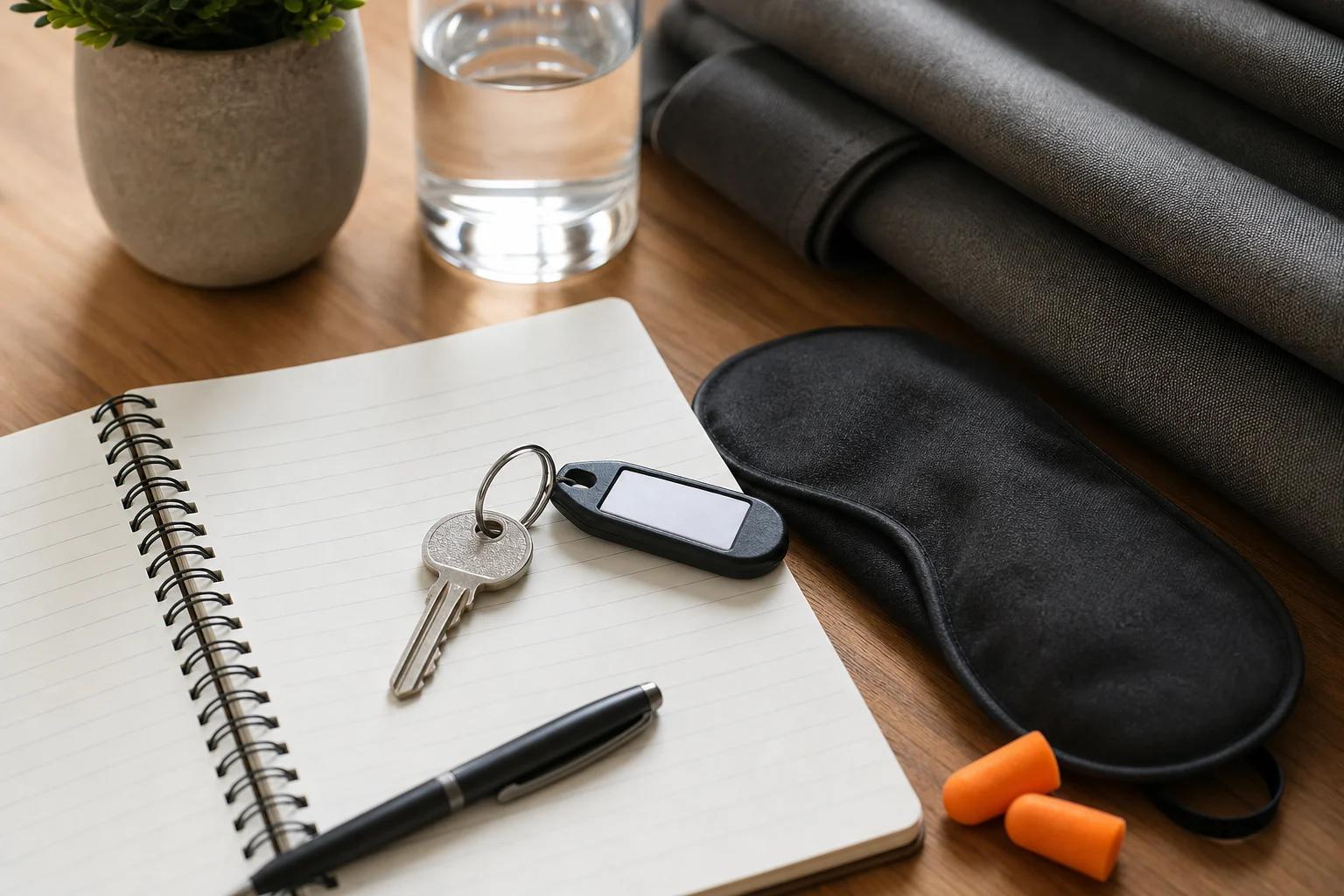
Not every type of accommodation is equally suitable for the demands of changing working hours. According to the verified information, myroom24 offers rooms, apartments, and houses in commercial accommodation facilities such as hotels, hostels, serviced apartments, and vacation apartments.
For shift work, these differences are especially relevant:
- Rooms can make sense if the accommodation is primarily meant to serve as a functional place to sleep and rest.
- Apartments are often interesting when a bit more independence in everyday life is important.
- Commercial accommodation facilities differ in quiet, access, and organization depending on their setup; it is therefore worth taking a close look at the actual use situation on site.
What matters is not the label alone, but whether the accommodation fits working hours, the need for rest, and the length of stay. Anyone looking only at the type of accommodation will quickly overlook practical details such as noise sources or the quality of blackout.
How myroom24 supports the search for accommodation for shift work
myroom24 is an online booking platform where commercial accommodation providers offer accommodation for private and business users. For shift workers, this can structure the search, because available long-term stays can be filtered by destination and length of stay as well as by criteria such as price, location, and amenities.
This narrowing down is especially helpful when the accommodation must fit the work rhythm: anyone assigned to production, logistics, or technical work in a specific region can align the search directly with the place of work and specifically focus on the features that are important for sleeping during the day. It is also verified that the long-term stays offered via myroom24 range from 28 to 179 nights.
If available, accommodations marked as instant booking can be booked without prior approval from the host. That can be useful when the start date is fixed and the accommodation needs to be arranged quickly. myroom24 does not replace your own check, but helps you view suitable long-term accommodations in one place and narrow them down according to the criteria relevant to shift work.
Which checklist helps most before booking?
Before deciding, it is worth doing a short but very concrete check. These questions are especially relevant for shift work:
- Can I sleep undisturbed in the accommodation during the day?
- Can the room be darkened sufficiently?
- Is the location to the workplace practical even for early or late shifts?
- Is there a laundry option that fits my schedule?
- Is the surrounding area quiet enough that changing shifts do not create extra strain?
Anyone working in logistics, production, or technical fields often does not need especially elaborate accommodation, but rather one that reliably takes sleep, travel, and laundry into account in everyday life. The selection should be guided by exactly that.
Conclusion: What is the most important decision for shift workers?
Temporary housing for shift work and night shifts works best when the accommodation is not only available, but also fits the sleep and work rhythm. Location, noise, blackout, and laundry facilities are not secondary issues, but the factors that determine in everyday life whether the accommodation is truly suitable.
If you are looking specifically for accommodation that fits your shifts and your place of work, a structured comparison via myroom24 accommodation is worthwhile.
Frequently asked questions
How can I tell before booking whether I can really sleep in the accommodation during the day?
Check the room location, the surroundings, possible noise sources in the building, and the side of the windows. If the room faces the street or has many common areas right next to it, that is often unfavorable for daytime sleep.
Which features are especially important for blackout in night shifts?
What matters are real blackout options rather than just light curtains. Pay attention to whether a lot of light falls into the room in the morning or during the day and whether the sleeping area can be darkened well enough.
How do I assess the location properly if my place of work is in production, logistics, or technical work?
What matters are short and predictable routes to the workplace as well as an environment that is not unnecessarily noisy during your rest periods. A central location is not automatically better than a quieter place near the work site.
Why should I check laundry facilities more carefully when working shifts?
Because work clothing and laundry times are harder to plan with changing shifts. An accommodation is only practical if washing and drying fit your schedule.
Which type of accommodation is better suited to shift work: room, apartment, or house?
That depends on the need. A room can be enough for living and sleeping only, while an apartment is often useful if more independence is needed. But the decisive factors are always whether peace, blackout, and location are right.